

Buying a home whether it is your first property or your next move is one of life’s most significant decisions. Where you live shapes how you live. There is no universal “right” or “wrong” choice and certainly no judgement about your lifestyle preferences.
What matters is understanding what genuinely works for you and your family. Before you begin viewing properties, it is worth taking the time to think carefully about your priorities. A clear list will help you quickly recognise homes that truly fit your lifestyle, rather than being distracted by features that look appealing but may not work for you in everyday life.
Start with your needs and wants
One of the most useful first steps is separating needs from wants.
Needs are the non-negotiables — the minimum number of bedrooms, a certain commuting distance, proximity to family, or access to specific schools. These are the practical foundations that make day-to-day life manageable.
Wants are the elements that make a house feel like your home. A large kitchen, period features, a south-facing garden or a quiet cul-de-sac may not be essential, but they contribute to enjoyment and comfort. When you are making a significant financial investment, it is perfectly reasonable to prioritise features that genuinely enhance how you live.
Think about how you live inside the home
A property should support the way you live, not require you to change your lifestyle to suit it. When viewing homes, imagine your everyday routine unfolding within the space.
For example, how do you and your family share meals? Some households value a formal dining space where everyone gathers around the table each evening, while others prefer a more relaxed approach, perhaps eating in a kitchen diner or on the sofa while watching television. Neither is right or wrong, but the layout of the home should reflect your habits.
Similarly, consider how you relax and entertain. Do you prefer separate reception rooms where different activities can happen at the same time, or would a more open-plan living space better suit your style? Modern layouts often create sociable environments, while traditional room layouts can provide more structure and privacy.
Bedrooms, bathrooms and practical space
Beyond the general layout, it is worth thinking carefully about the practicalities of space.
The number of bedrooms is an obvious starting point, but their proportions matter as well. In family homes, uneven bedroom sizes can quickly become an issue when children grow older. A well-balanced layout often makes everyday living easier.
Bathrooms are another key consideration. Some households manage perfectly with a single bathroom, while others find that an additional bathroom or en-suite makes busy mornings significantly easier, particularly with older children or guests.
You may also want to consider whether additional spaces would enhance daily life. A separate playroom, for example, can keep toys and games from dominating the main living areas, while a small study or home office can be invaluable for those who work remotely.
Property type and architectural style
The type and style of property you choose can have a surprising impact on how you live.
Would a bungalow provide the accessibility or convenience you are looking for? Or would a terraced, semi-detached or detached house better suit your needs? Each option offers different levels of privacy, noise separation and outdoor space.
For example, a lively household might appreciate the extra privacy of a detached home, particularly if children enjoy energetic activities or hobbies such as playing musical instruments.
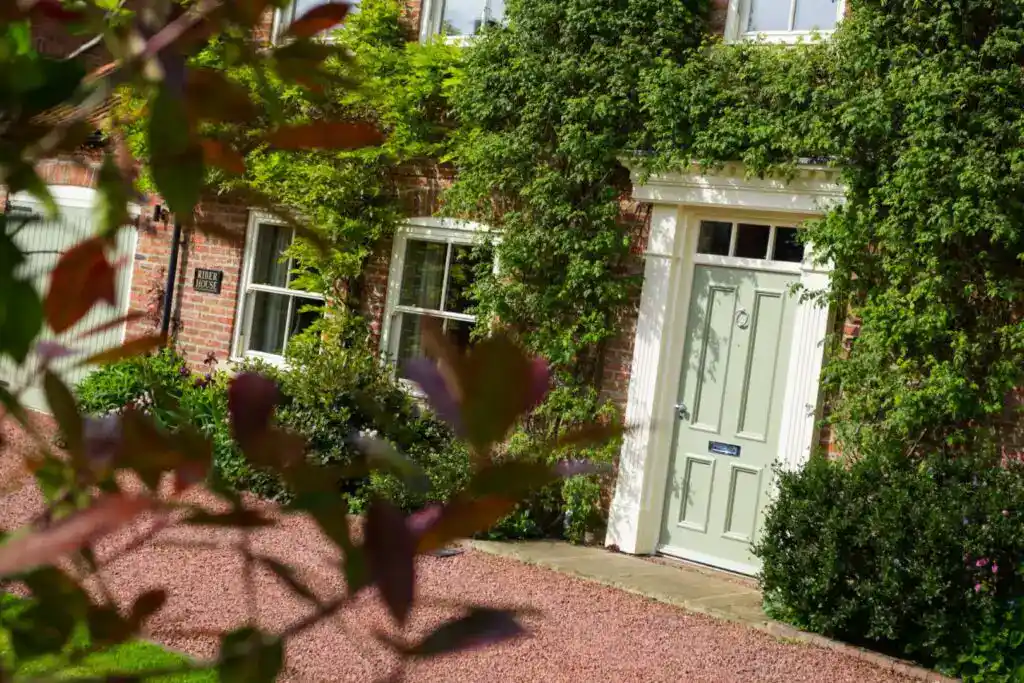
Style is equally important. Period properties often provide charm, character features and generous ceiling heights, giving owners the opportunity to put their own stamp on the space over time.
Modern homes, on the other hand, tend to focus on efficiency and simplicity. Their layouts are often carefully designed to maximise practicality and flow, which can make day-to-day living very straightforward. However, that same design can sometimes dictate how the space is used, offering less flexibility to adapt rooms or personalise the layout compared with older properties. For many buyers the appeal lies in the simplicity—clean lines, low maintenance and a home that works from day one.
Condition and potential
Another honest question to ask yourself is how much work you are willing to take on.
Some buyers enjoy the opportunity to improve a property and gradually add value. Others prefer a home that is ready to move into immediately, without the time, disruption or cost associated with renovation.
If you are open to a project, it helps to be realistic about the scale of work you would undertake and the budget available. Renovation can also bring a level of upheaval that is easy to underestimate. Depending on the extent of the work, you may have to live with builders on site for a period of time—or in some cases even move out temporarily while major works are completed. This can be both impractical and costly, so it is important to consider whether that level of disruption is something you are genuinely prepared for.
Equally, consider whether the property has potential to extend in the future, such as converting the loft or extending at the rear, should your needs change. A home with flexibility to grow can offer valuable long-term options as your circumstances evolve.
Gardens and outdoor living
Once the interior works for you, the outdoor space becomes the next consideration.
Gardens mean different things to different people. For some, it is simply somewhere pleasant to sit on a summer evening. For others, it may be a space for children to play, somewhere to entertain friends, or even an opportunity to grow vegetables and enjoy outdoor hobbies.
The size and orientation of the garden can influence how much you use it. A south or west-facing garden will generally capture more afternoon and evening sun, which can make a real difference if you enjoy spending time outdoors. However, if you are rarely at home during the day, orientation may be less important than overall space and privacy.
Parking and everyday practicality
Practical considerations are easy to overlook when viewing a beautiful home, but they can make a big difference in daily life.
Parking is a common example. Consider whether you need off-street parking, a driveway or a garage. Increasingly, buyers are also thinking about electric vehicles and the possibility of installing a home charging point.
Small details such as storage space, utility areas and ease of access can also affect how comfortable the property feels over time.
Location and surroundings
Of course, even the perfect house must sit in the right setting. The well-known phrase “location, location, location” remains true for good reason.
When evaluating an area, think about more than just the property itself. Consider the overall feel of the neighbourhood, the condition of neighbouring homes and the immediate surroundings. A property tucked away in a quiet cul-de-sac will offer a very different lifestyle from one located on a busy road.
It is also worth exploring local amenities, transport links and any planned developments that could influence the area in the future.
Schools and long-term appeal
For many buyers, access to good schools is a significant factor. Even if it is not an immediate priority, properties within desirable school catchment areas often attract strong demand, which can support long-term value and resale potential.
Taking the time to research education options can therefore be a worthwhile part of your property search.
Budget and the reality of compromise
Ultimately, your budget will shape the choices available to you. Even with a generous budget, it is rare for a property to tick every single box. Most purchases involve a degree of compromise.
Some buyers prioritise the perfect location and are happy to improve the property over time. Others focus on securing the ideal home itself, even if the location is slightly less convenient. Understanding your priorities makes it far easier to decide where you are willing to compromise.
Think about the future as well as today
Finally, consider how this purchase fits into your longer-term plans.
Is this move intended as a stepping stone for a few years, or are you hoping the property will grow with your family over time? If it is a long-term home, the potential to extend or adapt the space may become important.
If your stay may be shorter, think about resale appeal. A property that will attract a wide range of future buyers is often easier to sell and may help protect your investment.
A thoughtful approach makes all the difference
Buying a home is not simply about square footage or price, it is about finding a property that genuinely supports the life you want to live.
By thinking carefully about your priorities, your lifestyle and your long-term plans, you will approach property viewings with far greater clarity. And when the right home appears, you will recognise it not just because it looks appealing, but because it truly works for you and your future.
If you would like expert guidance on selling your current home or finding your next one, our sister company, Your Move Anscombs would be delighted to assist. Their team is experienced, friendly, and ready to help you navigate the property market with confidence.
To discuss mortgage requirements get in touch with MAPIO Financial today on 01904 235000, at hello@mapiofinancial.co.uk to see how we can help you.
Your home may be repossessed if you do not keep up repayments on your mortgage.